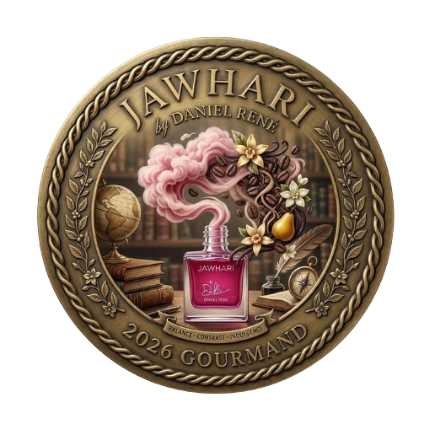
Perfume Categories: Find Your Perfect Scent Profile
Perfume Categories Explained: Notes, Concentrations, and Fragrance Families
Finding the right fragrance becomes much easier when you understand the main perfume categories and how different scent types work together.
Every scent family, from floral and woody to citrus, spicy, fresh, aquatic, and gourmand, carries its own mood and personality. Exploring these fragrance types helps you discover which scent profile feels most like you.
This guide breaks down perfume notes, concentration levels, and the main perfume families so you can confidently choose the perfect fragrance.
Quick Answer: Perfume categories are usually grouped by fragrance family, scent notes, and concentration level. Floral, woody, citrus, gourmand, spicy, aquatic, and fresh are common fragrance families, while Parfum, Eau de Parfum, and Eau de Toilette describe perfume strength and longevity.
| Contents | Section |
|---|---|
| 01 | Understanding Perfume Notes |
| 02 | Top Notes |
| 03 | Middle Notes |
| 04 | Base Notes |
| 05 | Perfume Concentration Levels |
| 06 | Parfum |
| 07 | Eau de Parfum |
| 08 | Eau de Toilette |
| 09 | Fragrance Families |
| 10 | Floral |
| 11 | Woody |
| 12 | Citrus |
| 13 | Gourmand |
| 14 | Spicy |
| 15 | Aquatic |
| 16 | Fresh |
| 17 | Perfume Category Comparison Table |
| 18 | How Concentration Affects Scent |
| 19 | Conclusion |
| 20 | FAQs |
Understanding Perfume Notes
Every perfume is built on three key layers known as perfume fragrance notes. These notes describe the scent’s journey from the first spray to the final dry-down.
Top Notes
- The first impression of a fragrance, usually light, bright, and quick to fade.
- Common top notes include citrus, fresh greens, fruits, herbs, and light spices.
- Top notes help you understand the opening stage within many perfume smell categories.
Middle Notes: Heart Notes
- The center of the fragrance, where its true character comes alive.
- Florals, spices, herbs, fruits, and soft woods are common in this layer.
- This layer shapes most types of perfume scents.
Base Notes
- Rich, deep notes that stay on the skin for hours.
- Common base notes include oud, amber, musk, vanilla, sandalwood, patchouli, and woods.
- Base notes heavily influence longevity across different perfume levels and fragrance types.
Perfume Concentration Levels
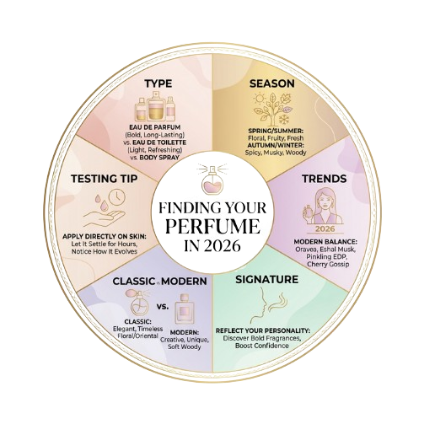
Perfume strength depends on how much fragrance oil is used. This affects projection, richness, and how long the scent lasts on skin or clothes.
Parfum
- Usually the strongest oil concentration.
- Often has rich depth and long-lasting sillage.
- Best for evenings, special occasions, and fragrance lovers who want strong performance.
Eau de Parfum: EDP
- Popular for daily use because it balances strength and wearability.
- Offers good projection and wear time for many fragrance styles.
- A strong choice for people who want lasting scent without choosing the heaviest concentration.
Eau de Toilette: EDT
- Light and refreshing compared to stronger concentrations.
- Great for daytime, summer, office wear, and casual use.
- Often works well for citrus, fresh, aquatic, and clean fragrance styles.
Fragrance Families: The Main Types of Scents
Every scent belongs to a broader fragrance family. These families help identify the perfume scents that best match your personality, season, and preferences.
1. Floral
- Soft, romantic, elegant, and classic.
- Features rose, jasmine, lily, peony, tuberose, and violet.
- Ideal for people who enjoy timeless perfume smell types.
2. Woody
- Warm, earthy, smooth, and long-lasting.
- Includes sandalwood, cedarwood, patchouli, vetiver, and oud.
- Perfect for evening wear, cooler seasons, and refined signature scents.
3. Citrus
- Bright, fresh, clean, and energizing.
- Lemon, bergamot, grapefruit, orange, and mandarin dominate this category.
- An excellent choice for daytime wear, summer perfumes, and fresh daily scents.
4. Gourmand
- Sweet, dessert-like, warm, and cozy.
- Vanilla, caramel, coffee, chocolate, praline, and tonka bean notes shine here.
- These gourmand fragrances are comforting and memorable.
5. Spicy
- Bold, warm, exotic, and full of character.
- Features cinnamon, cardamom, saffron, pepper, clove, and nutmeg.
- Perfect for strong personalities who love intense perfume fragrances.
6. Aquatic
- Cool, airy, clean, and ocean-inspired.
- Often includes marine notes, watery accords, clean musk, and light citrus.
- Ideal for summer, casual wear, gym-friendly scents, and fresh daytime perfumes.
7. Fresh
- Green, herbal, crisp, and refreshing.
- Includes mint, herbs, leafy notes, clean musk, and fresh citrus.
- Great for daily wear, warm weather, work, and people who prefer clean scents.
Perfume Category Comparison Table
This table helps you compare perfume families by scent mood, common notes, and best use.
| Perfume Category | Common Notes | Best For |
|---|---|---|
| Floral | Rose, jasmine, peony, lily, tuberose, violet | Romantic scents, everyday elegance, feminine perfumes |
| Woody | Sandalwood, cedarwood, patchouli, vetiver, oud | Evening wear, colder seasons, signature scents |
| Citrus | Lemon, bergamot, grapefruit, orange, mandarin | Summer, daytime, office, clean fresh wear |
| Gourmand | Vanilla, caramel, coffee, chocolate, praline, tonka bean | Cozy scents, winter, date nights, sweet fragrance lovers |
| Spicy | Saffron, cinnamon, pepper, cardamom, clove, nutmeg | Bold personalities, evening wear, warm fragrance profiles |
| Aquatic | Marine notes, watery accords, clean musk, citrus | Summer, casual wear, fresh and airy scents |
| Fresh | Mint, herbs, green leaves, citrus, clean musk | Daily wear, warm weather, workplace-friendly scents |
How Concentration Affects Scent
Concentration changes how a perfume performs. A higher concentration usually gives a deeper and longer-lasting result, while lighter concentrations feel cleaner, fresher, and more casual.
- Higher concentration: Better for evenings, special occasions, colder seasons, and stronger projection.
- Medium concentration: Good for everyday use, office wear, and versatile scents.
- Lighter concentration: Best for daytime, summer, warm weather, and subtle fragrance wear.
This variation across different perfume types helps you decide what suits your routine, season, and mood.
Conclusion
Understanding perfume categories, perfume notes, and fragrance scent types helps you choose perfumes with confidence.
Whether you are drawn to floral elegance, woody warmth, fresh citrus blends, spicy depth, clean aquatic scents, or sweet gourmand fragrances, each family offers something unique.
Now that you know the basics of types of perfume, fragrance families, perfume notes, and concentration levels, you can easily identify the perfume smell types that match your personality and lifestyle.
FAQs
How do I choose the right perfume category for my personality?
Start by identifying whether you prefer floral, woody, citrus, fresh, spicy, aquatic, or sweet gourmand scents. Then test fragrances from that family on your skin to see which scent feels natural and comfortable throughout the day.
What perfume concentration lasts the longest?
Parfum usually lasts the longest because it has the strongest fragrance oil concentration. Eau de Parfum also offers good longevity and is often easier to wear daily than very intense perfume formats.
What are the main fragrance families?
The main fragrance families include floral, woody, citrus, gourmand, spicy, aquatic, and fresh. Each family has a different mood, note structure, and best use.
What are perfume notes?
Perfume notes are the layers of a fragrance. Top notes are the first impression, middle notes are the heart of the scent, and base notes are the deeper notes that last the longest.
Which perfume family is best for daily wear?
Fresh, citrus, floral, aquatic, and light woody fragrances are usually good for daily wear because they feel clean, versatile, and comfortable in most settings.
Which fragrance family is best for winter?
Woody, spicy, amber, and gourmand fragrance families are strong choices for winter because they feel warmer, richer, and more long-lasting in cooler weather.